A relaxed, lower-altitude tour, ideal for your first few days in Atacama or for travelers seeking a more cultural and contemplative experience.













This itinerary brings together landscape, geology, and ancestral history, revealing layers of Atacama that extend far beyond what meets the eye. Layers of time, culture, and meaning.
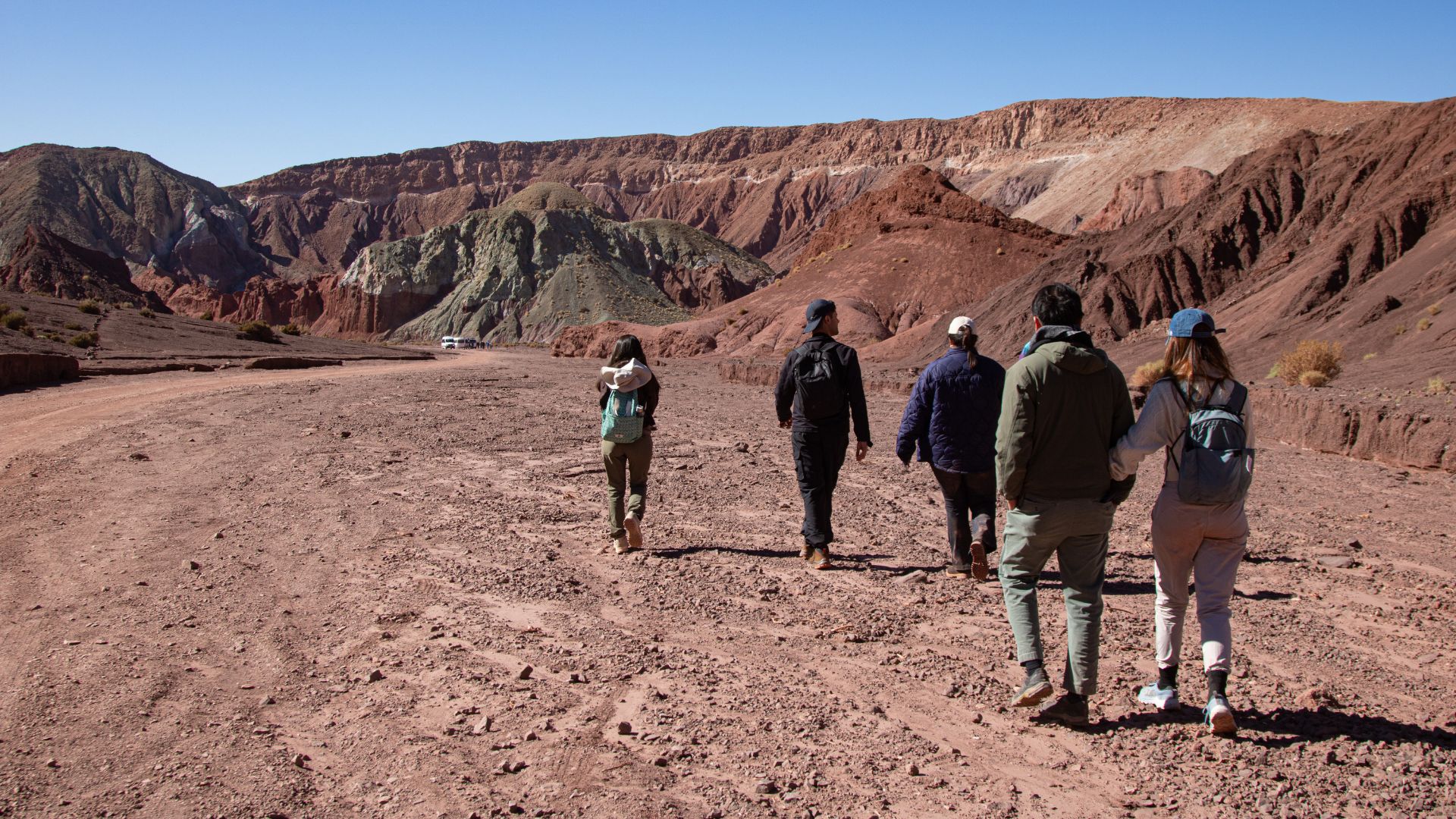
We leave San Pedro de Atacama in the morning and travel north, crossing lesser-explored areas of the desert. Along the way, we prepare a complete breakfast so you can begin the day at a relaxed pace before entering a territory shaped by millions of years of natural change and by human history. Little by little, the landscape begins to change.
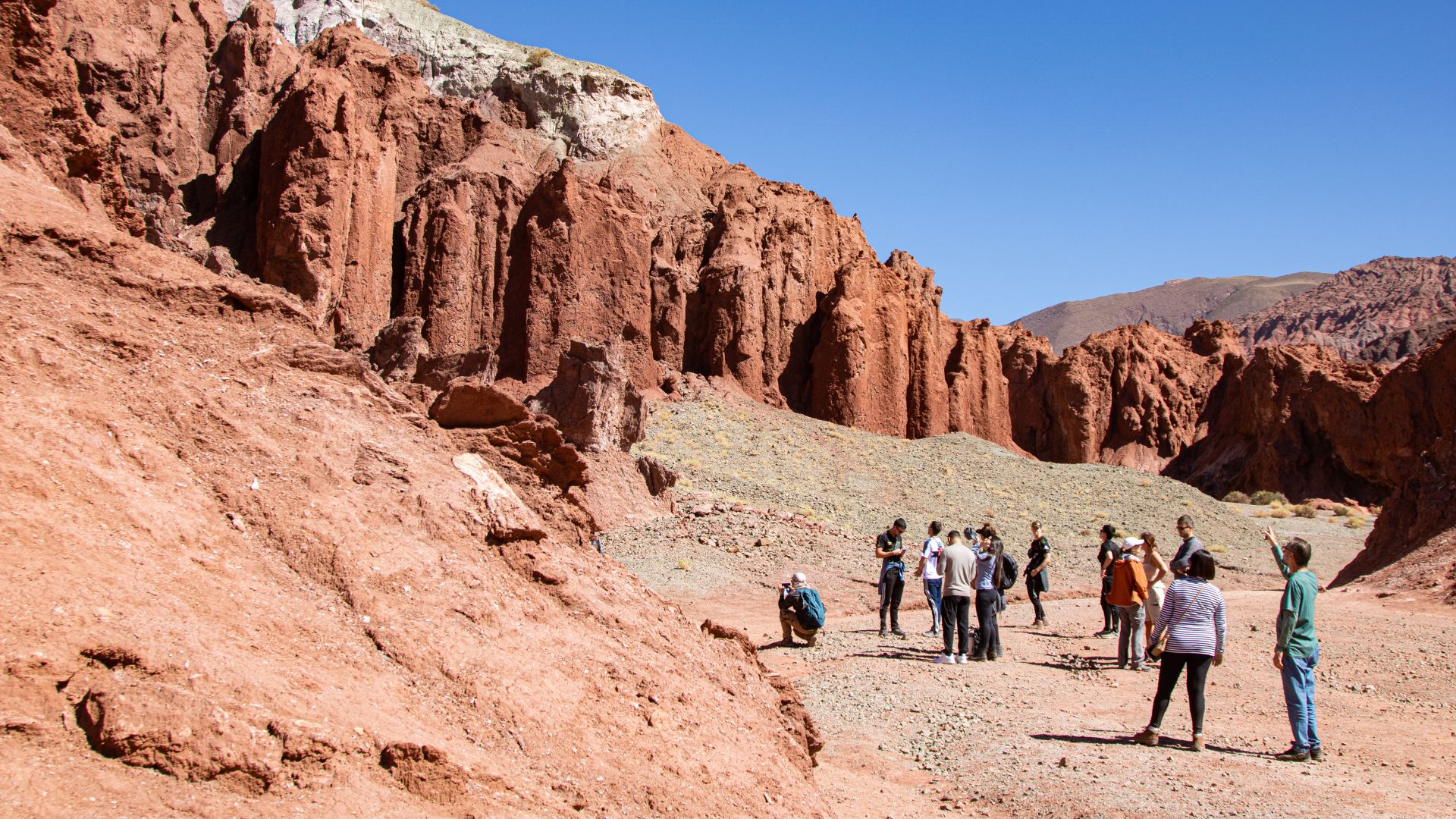
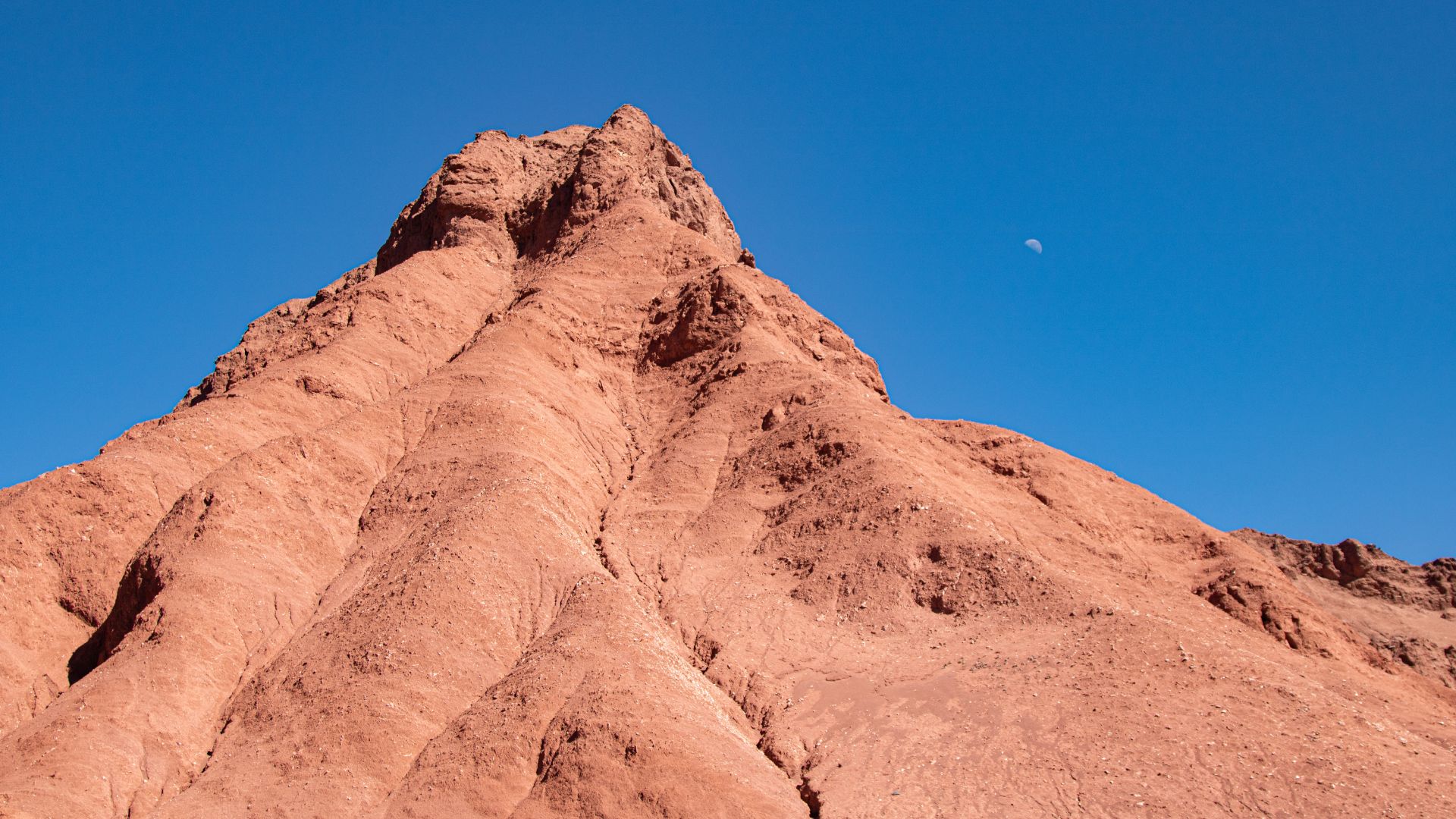
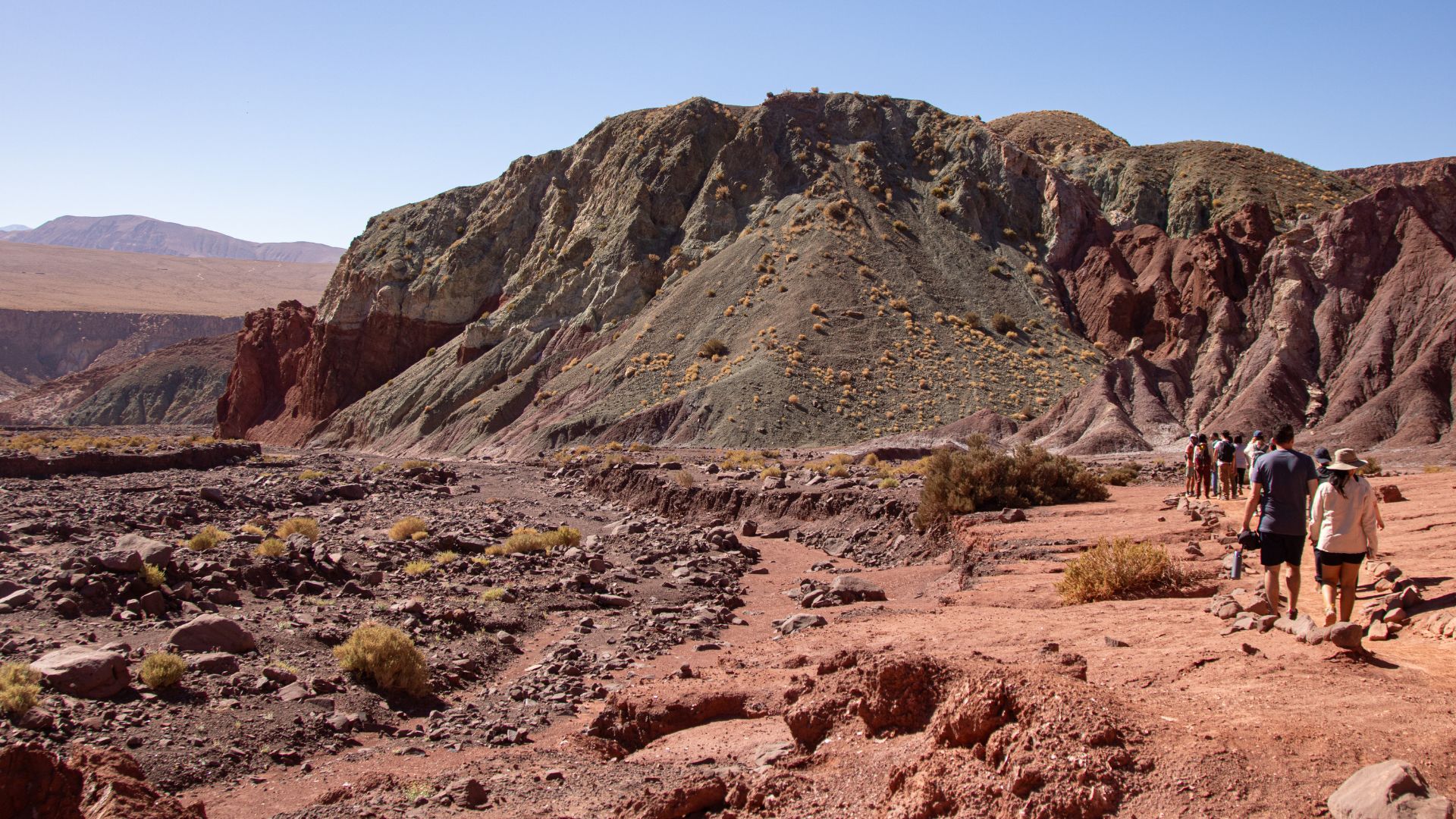
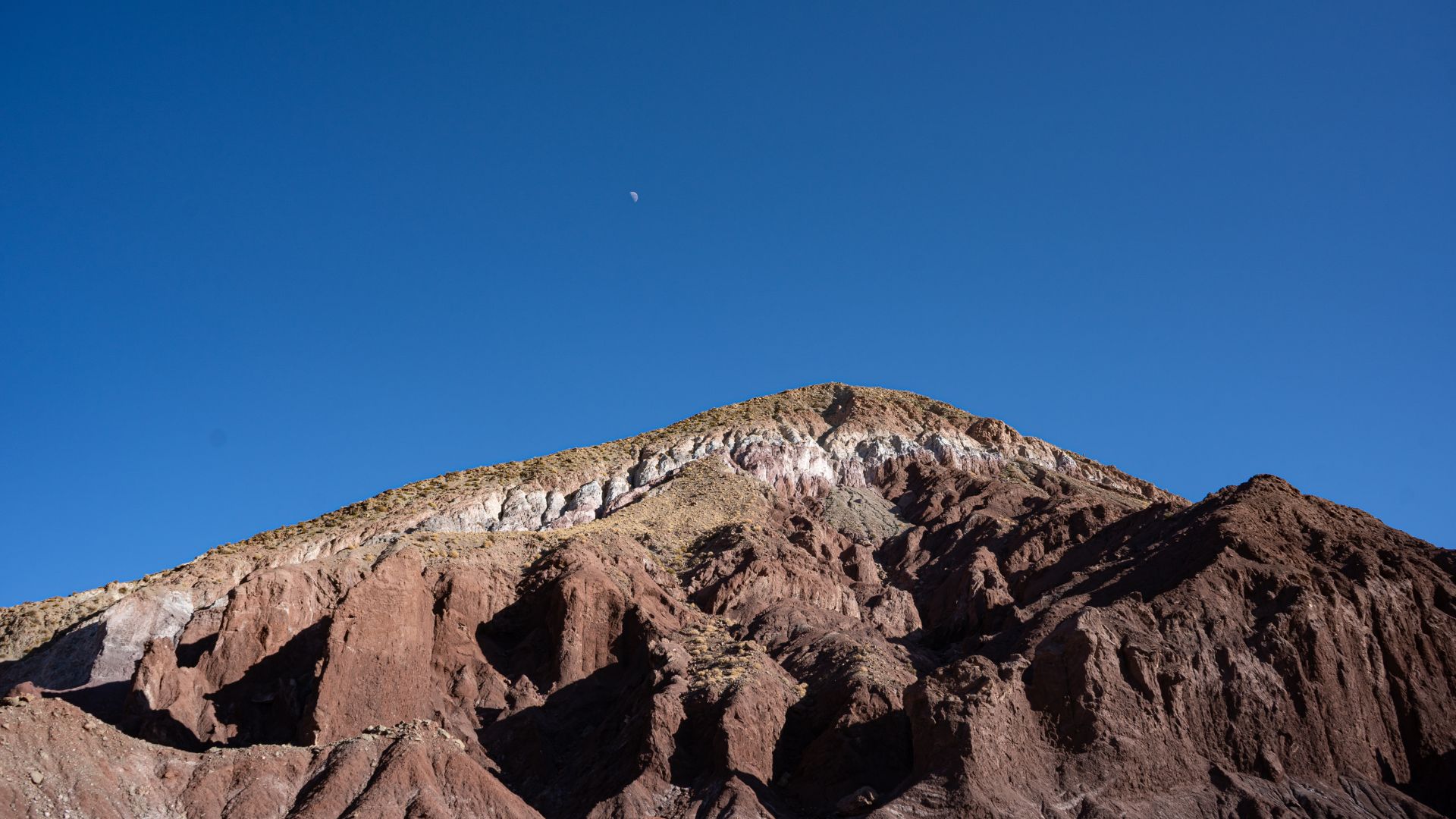
We then arrive at Rainbow Valley, one of the most important places in Atacama from a geological perspective.
Here, you can clearly understand the formation of the region’s three major mountain ranges: the Andes, the Domeyko Range, and the Salt Mountain Range. This geological relationship cannot be observed with the same clarity anywhere else in the desert.
The colors that give the valley its name emerge from this history.
Shades of red, green, white, yellow, and brown reveal different minerals and geological processes that unfolded over millions of years. Walking through this landscape means tracing the geological history of the territory itself.
The trail is gentle and accessible, allowing you to observe these formations up close and understand, on the ground, how the Atacama Desert took shape over time.
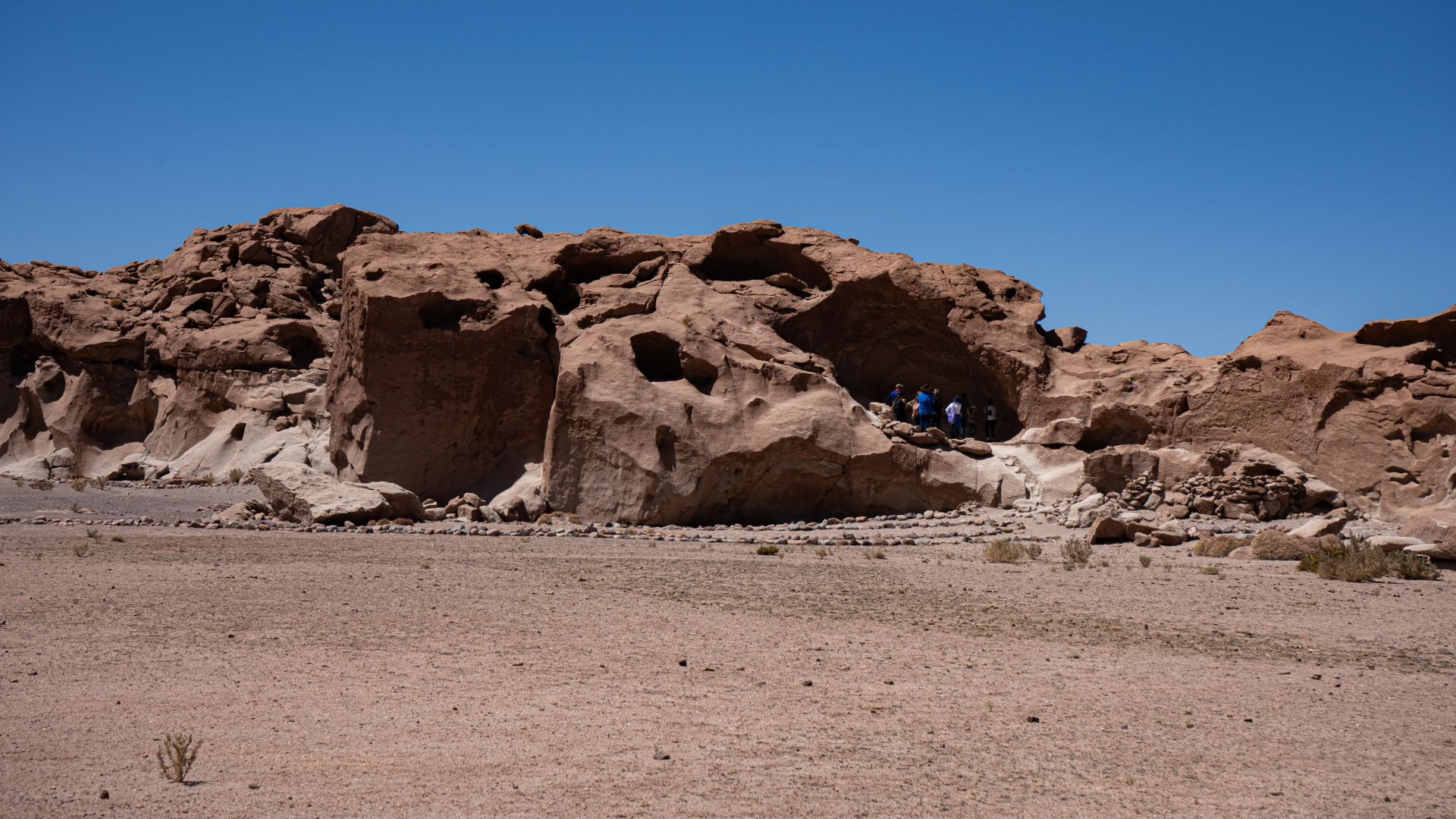
We then continue to Yerbas Buenas.
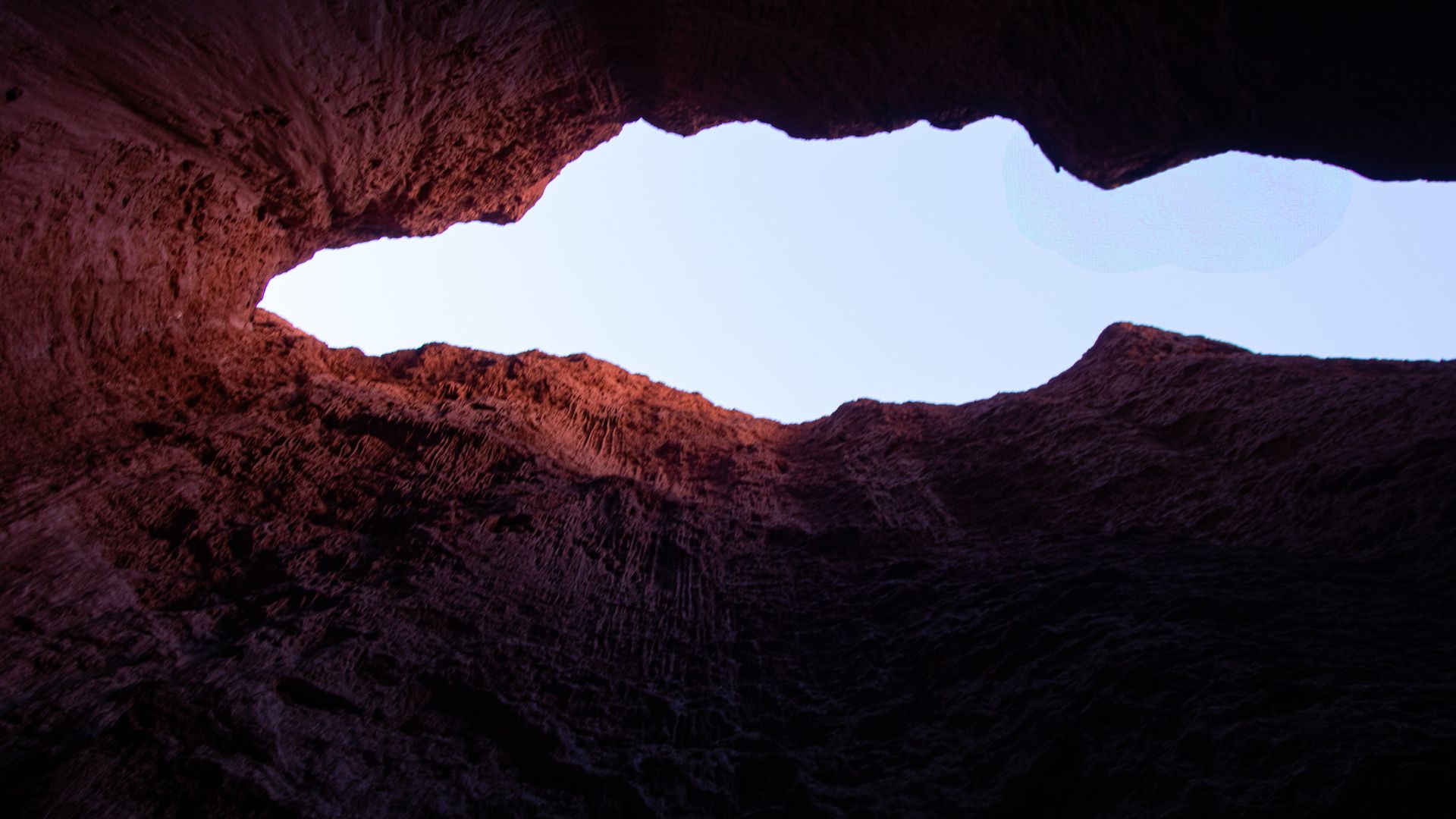
Within the canyon, we find one of the region’s most important rock-art sites. A place where the desert becomes more than a landscape: it also becomes memory.
The petroglyphs, carved thousands of years ago by pre-Columbian peoples, depict caravans, hunters, llamas, and symbols that help tell the story of those who lived here long before us.
This is where one of the most important developments in Andean history becomes evident: the domestication of the llama.
This advancement completely transformed life on the Altiplano. It made it possible to transport food, water, and goods, establish trade routes, and connect different territories across the Andes.
More than images, these carvings record the emergence of the Andean caravan way of life and the relationship between people, animals, and the extreme desert environment.
Walking among the petroglyphs is a quiet and respectful experience.
The guide explains who these peoples were, how they lived, and why they chose this location to record their stories. The experience also reinforces the importance of archaeological preservation and responsible tourism.
Throughout the day, the desert becomes more than a setting. It also becomes a language.
If you want to understand Atacama beyond its landscapes, this is the tour where that connection becomes clear.
We return to San Pedro de Atacama with the feeling of having discovered a small part of the desert’s heart. An Atacama revealed through the colors of the earth and the marks left by those who learned to live here long before us.
TOUR PRICE PER PERSON: CLP 45,000
TIME: 7:00 a.m. to 12:30 p.m.
MAXIMUM ALTITUDE: 3,500 meters
ENTRANCE FEE: CLP 10,000 per person
WHAT’S INCLUDED: Transportation, certified guide, and breakfast
RECOMMENDED FOR: From your first day in Atacama