
Long before any visitors arrived, this land was already inhabited.
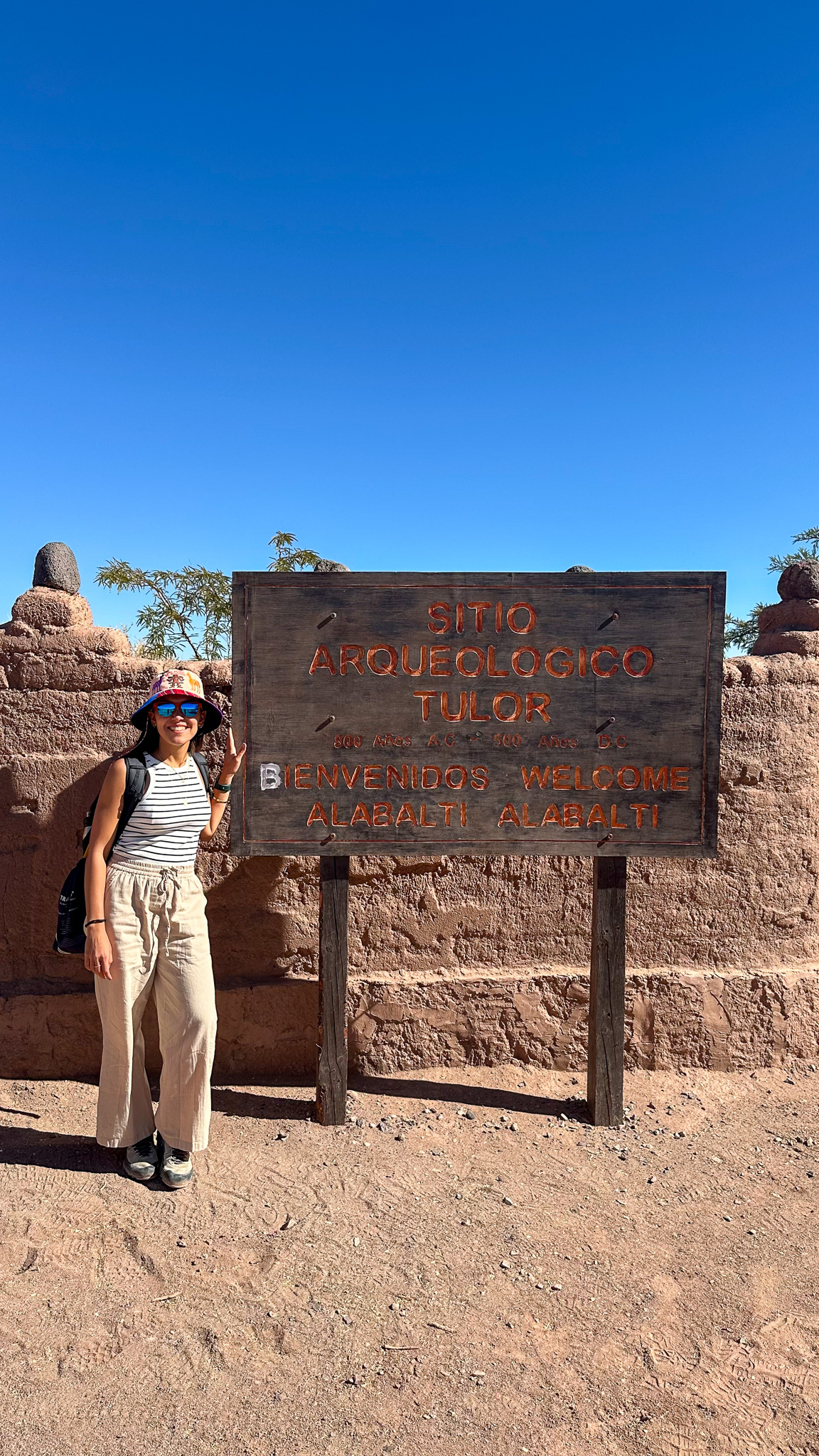
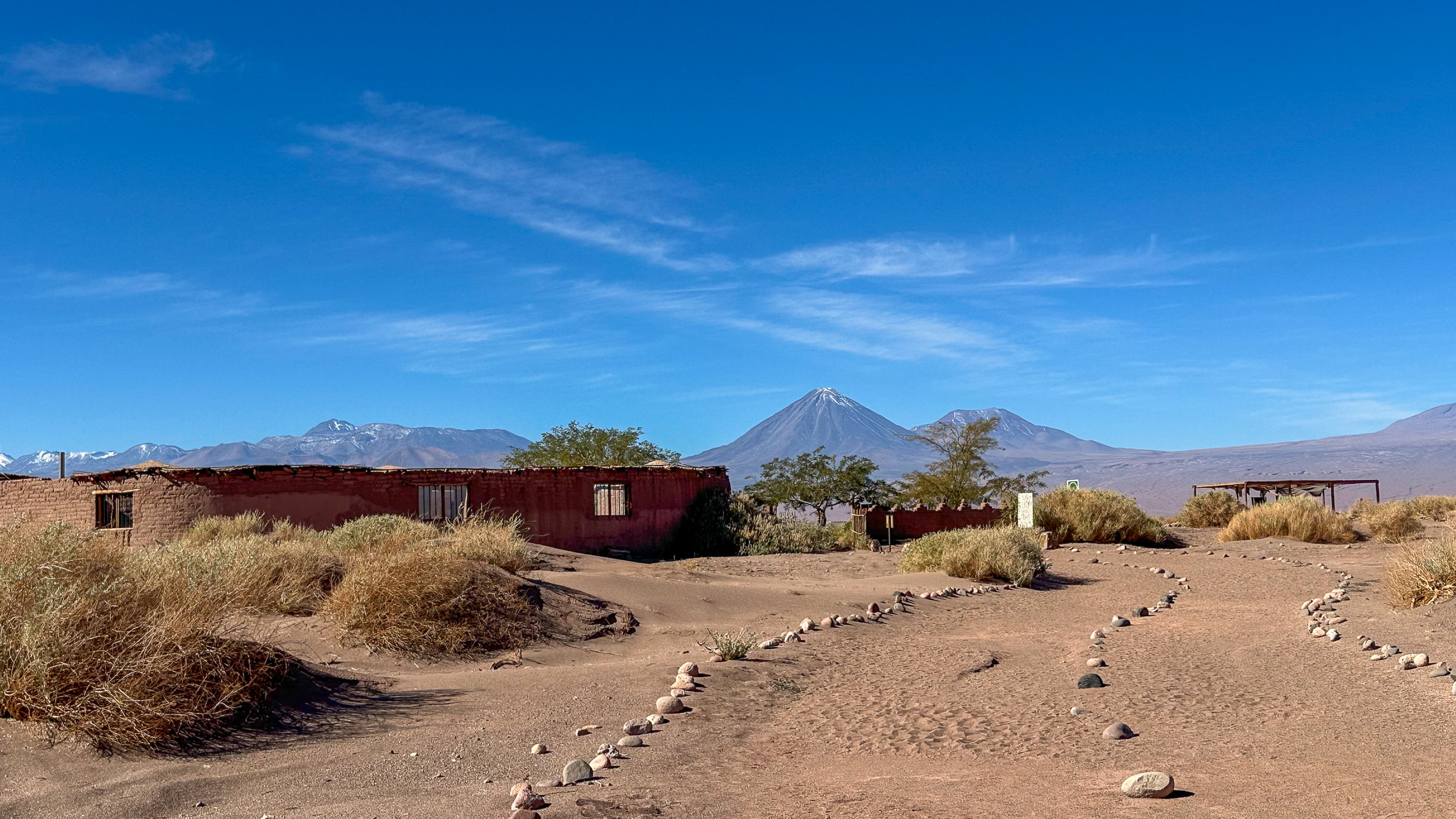
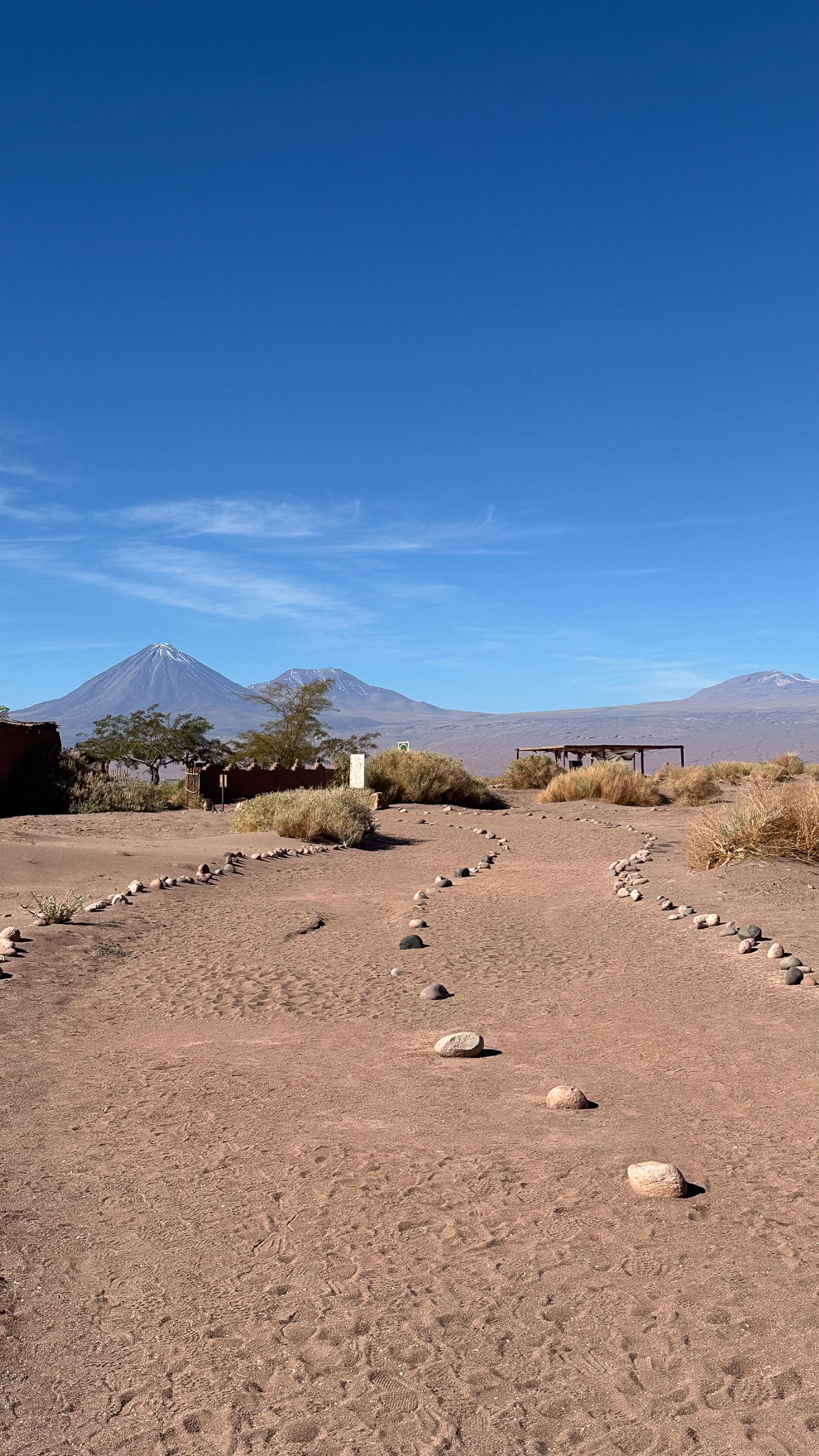
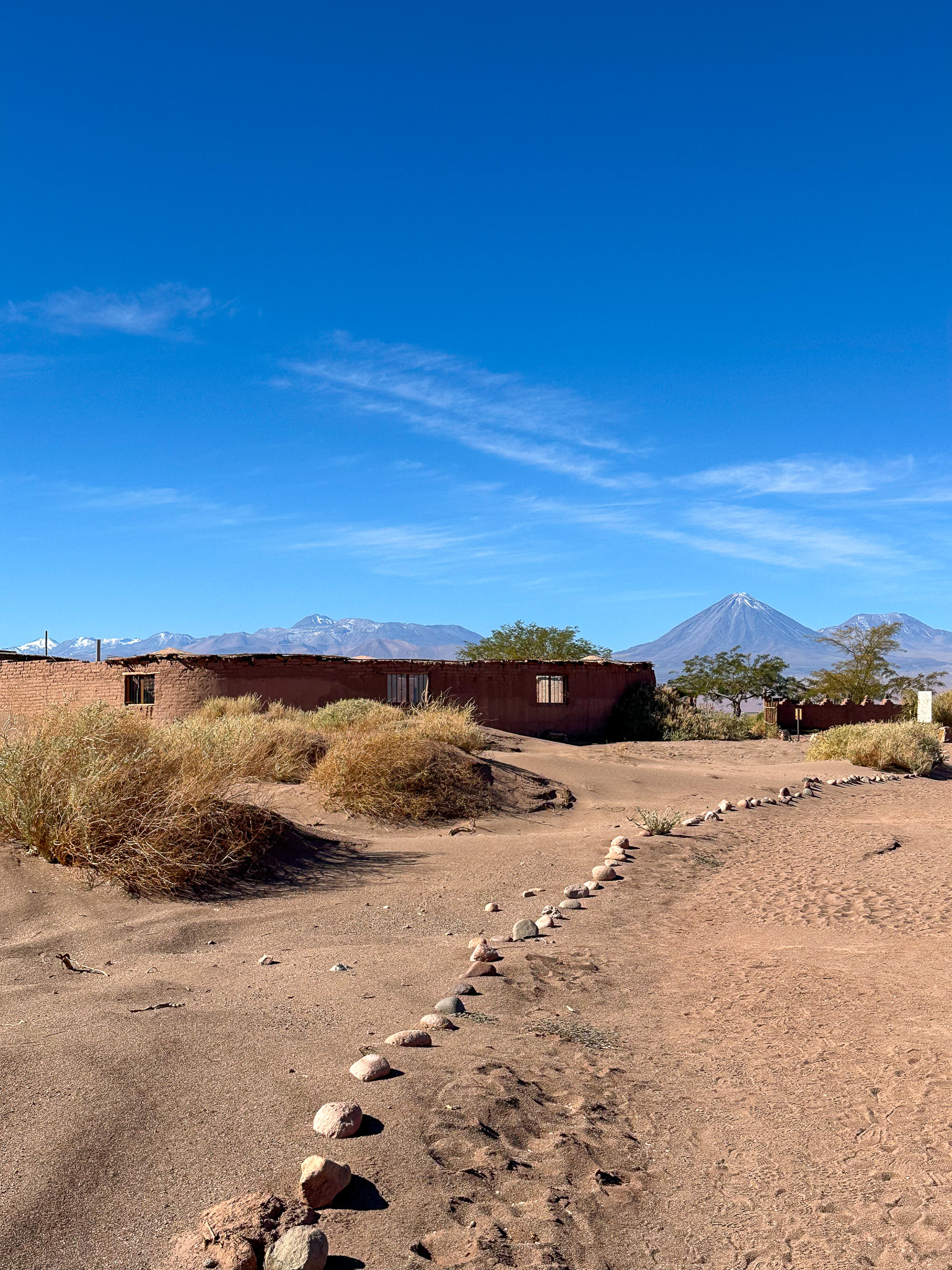
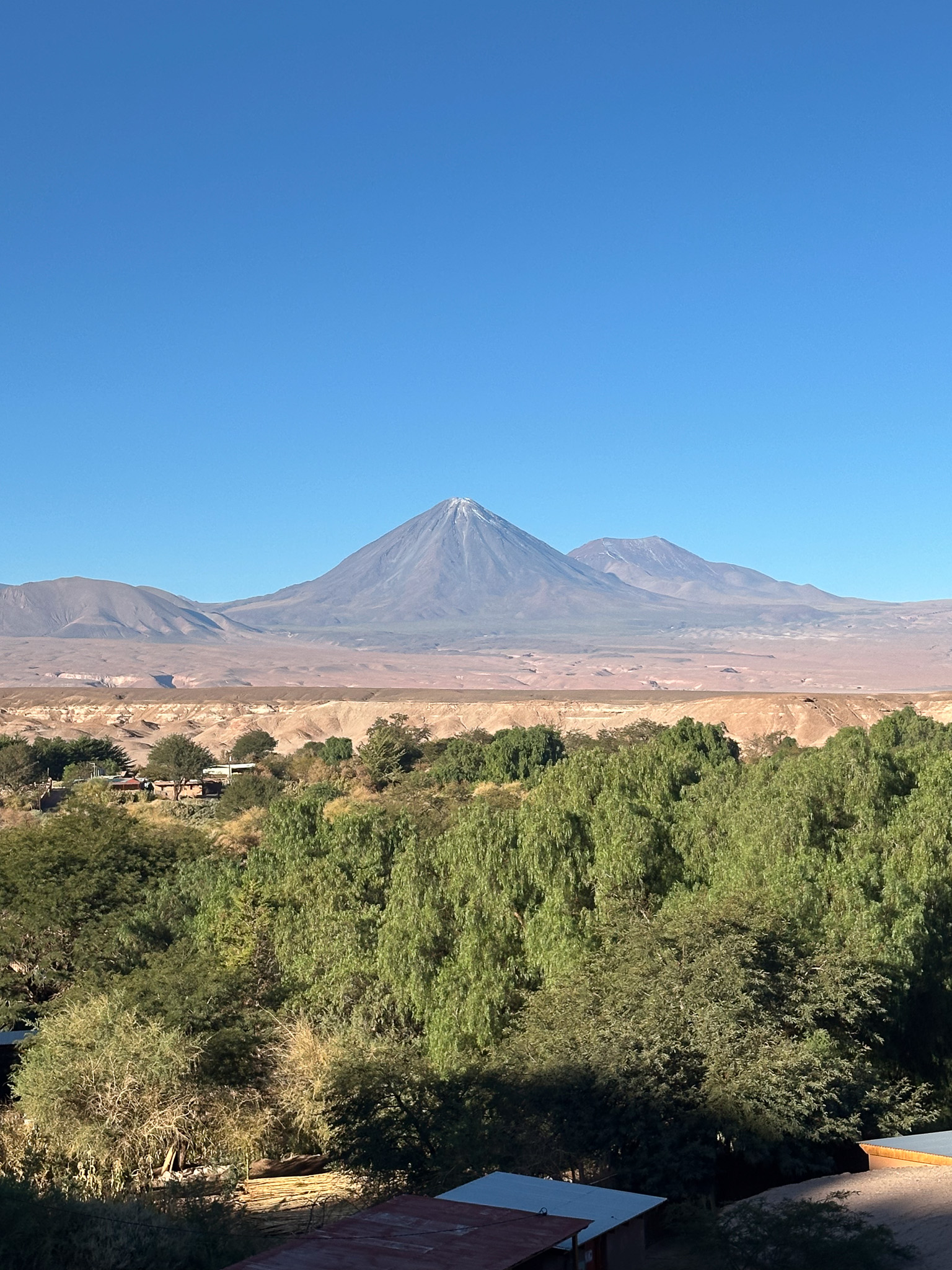
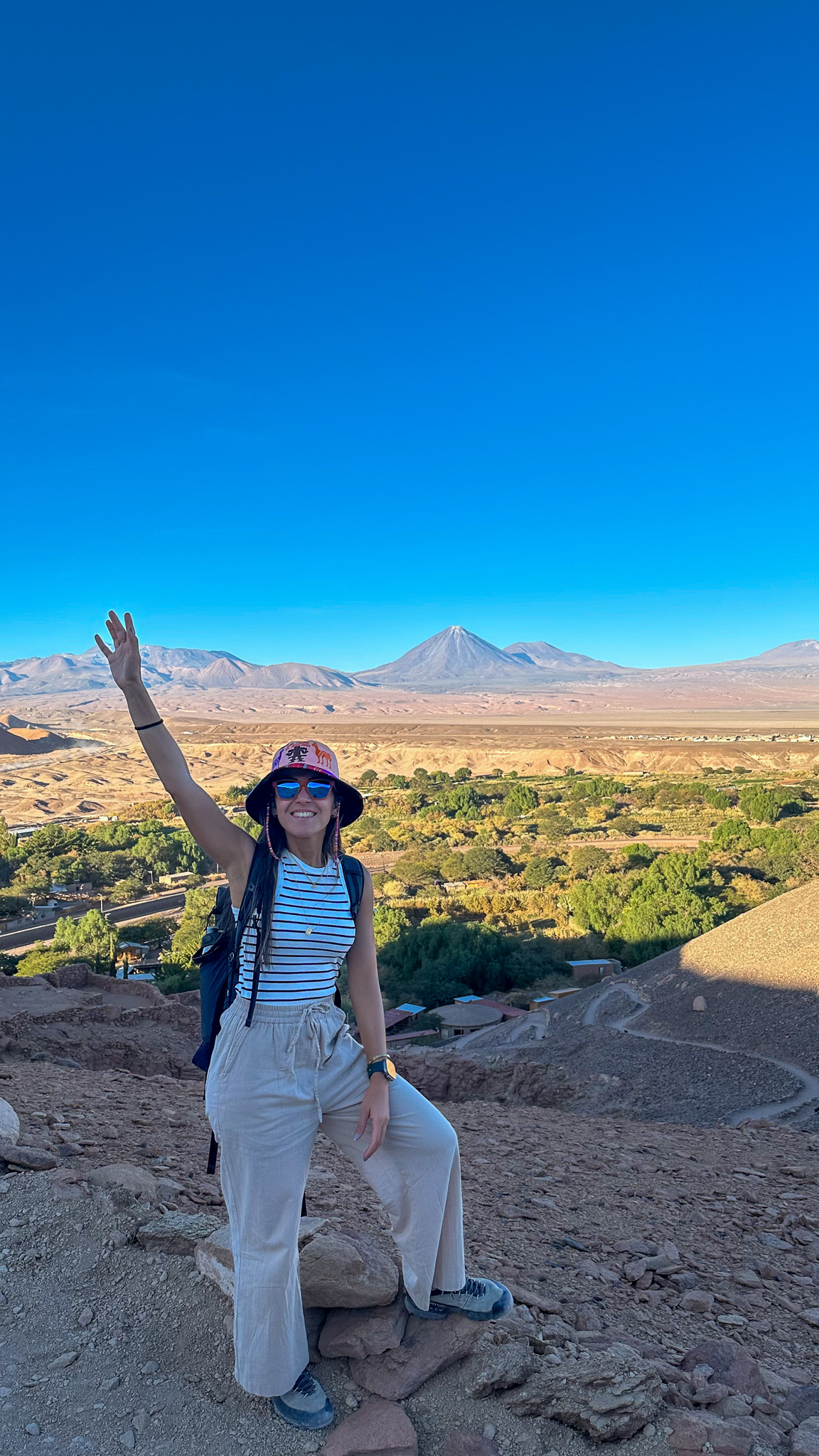
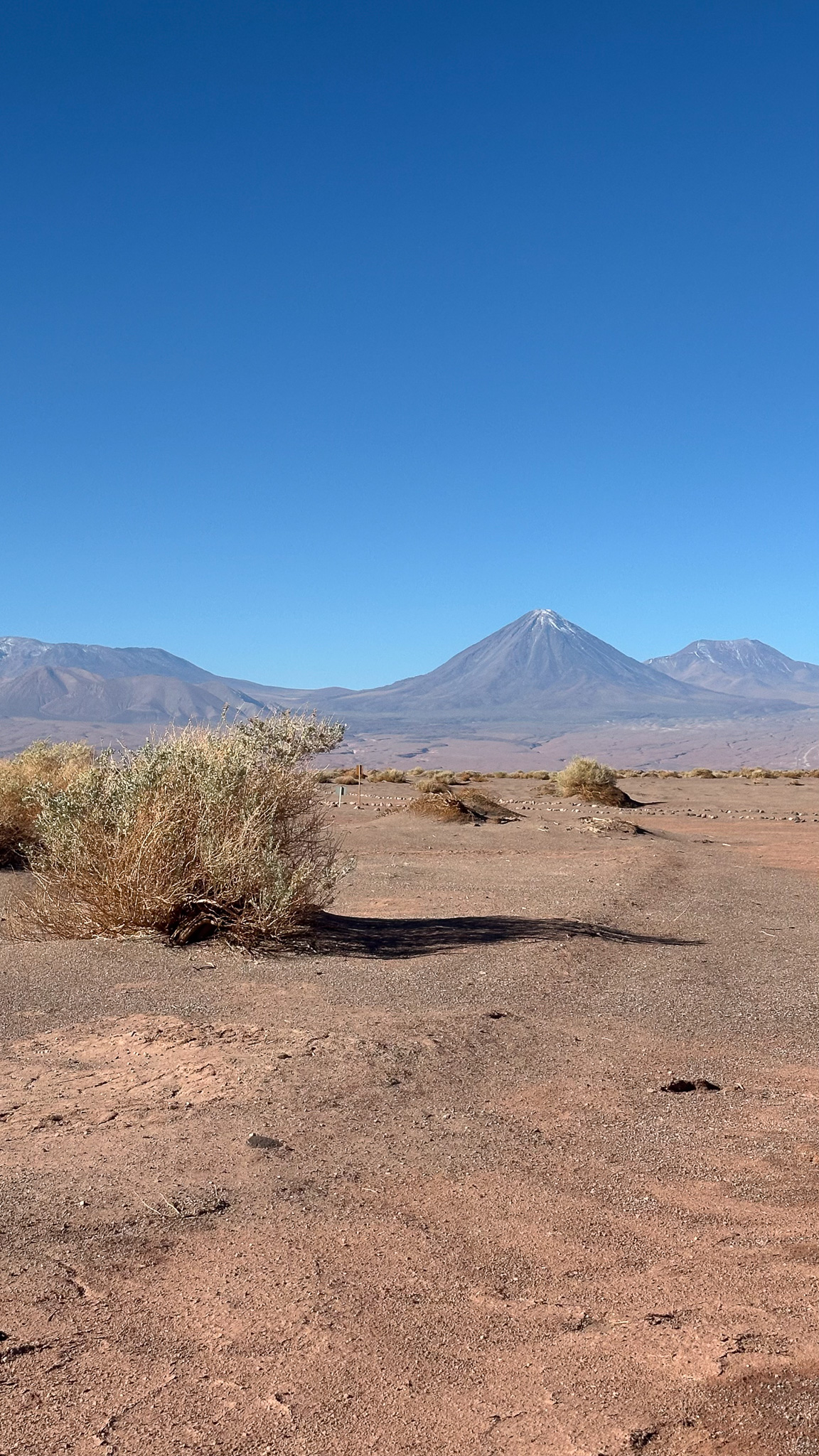
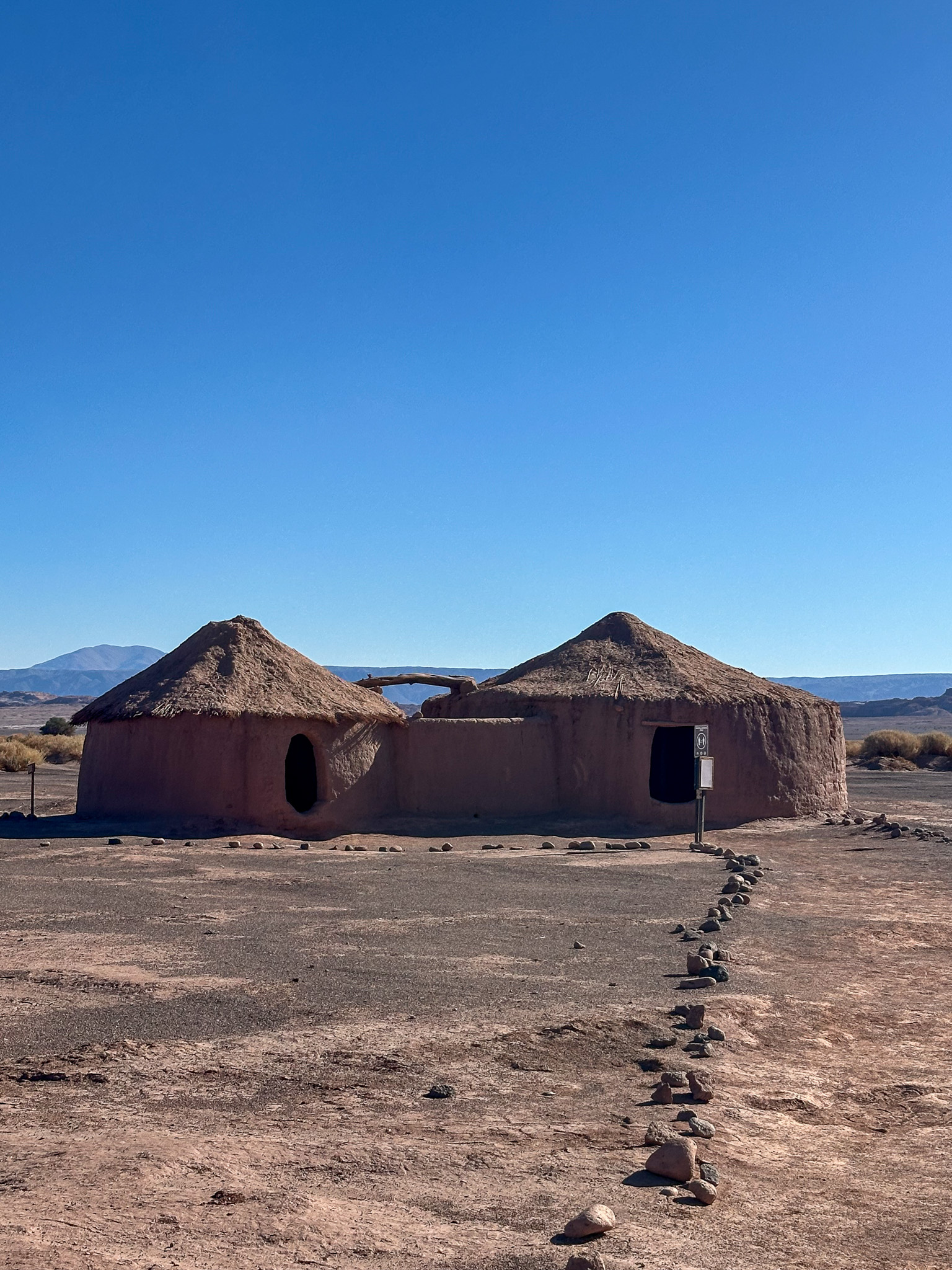
The Archaeological Tour: Aldea de Tulor + Pukará de Quitor invites you to understand the Atacama beyond what meets the eye. During this tour, you will explore the origins of the desert, its ways of life and the traces left by those who inhabited this same land long before us.
We leave San Pedro de Atacama and head south, where the desert holds one of the oldest settlements in the region.
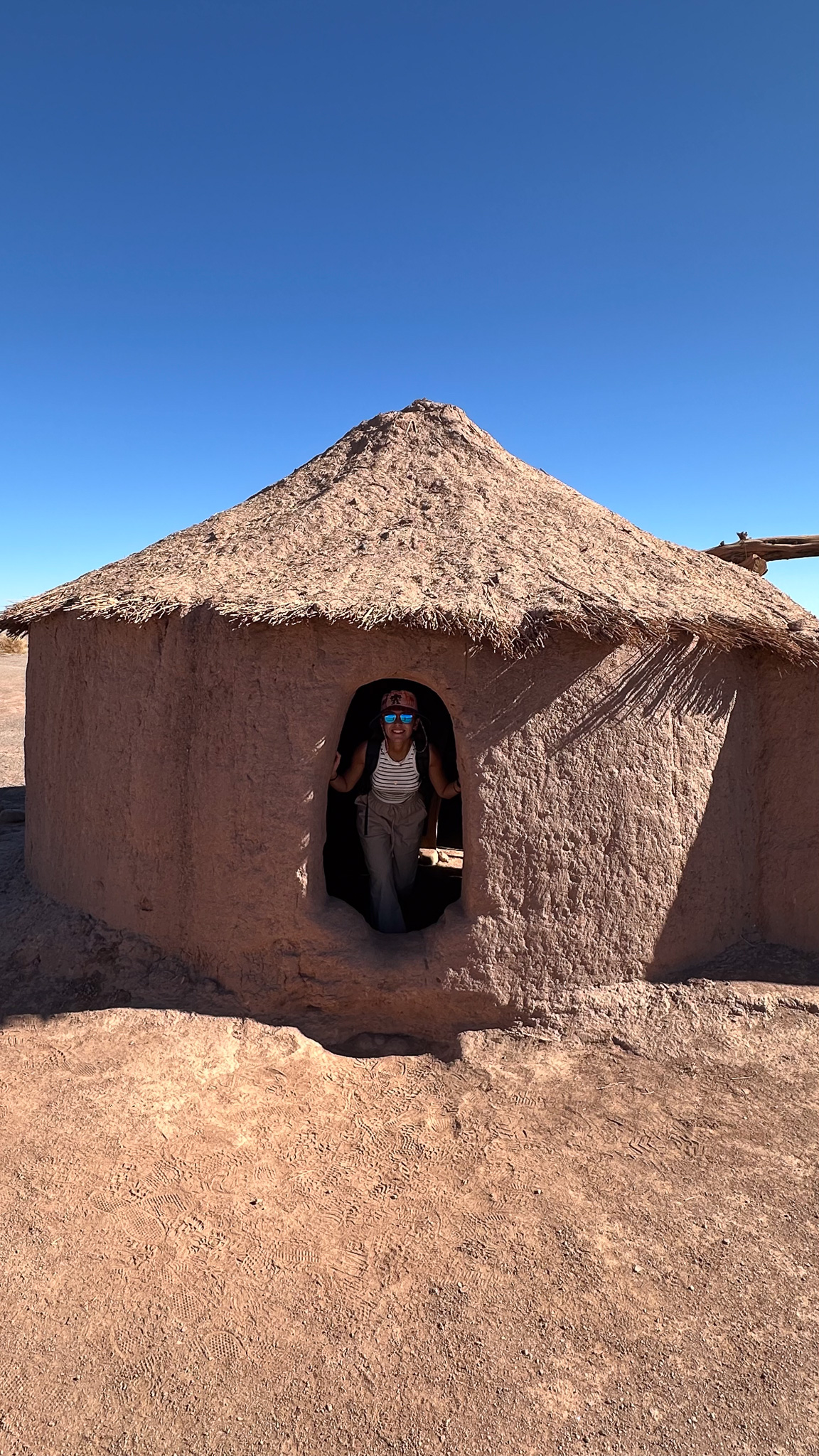
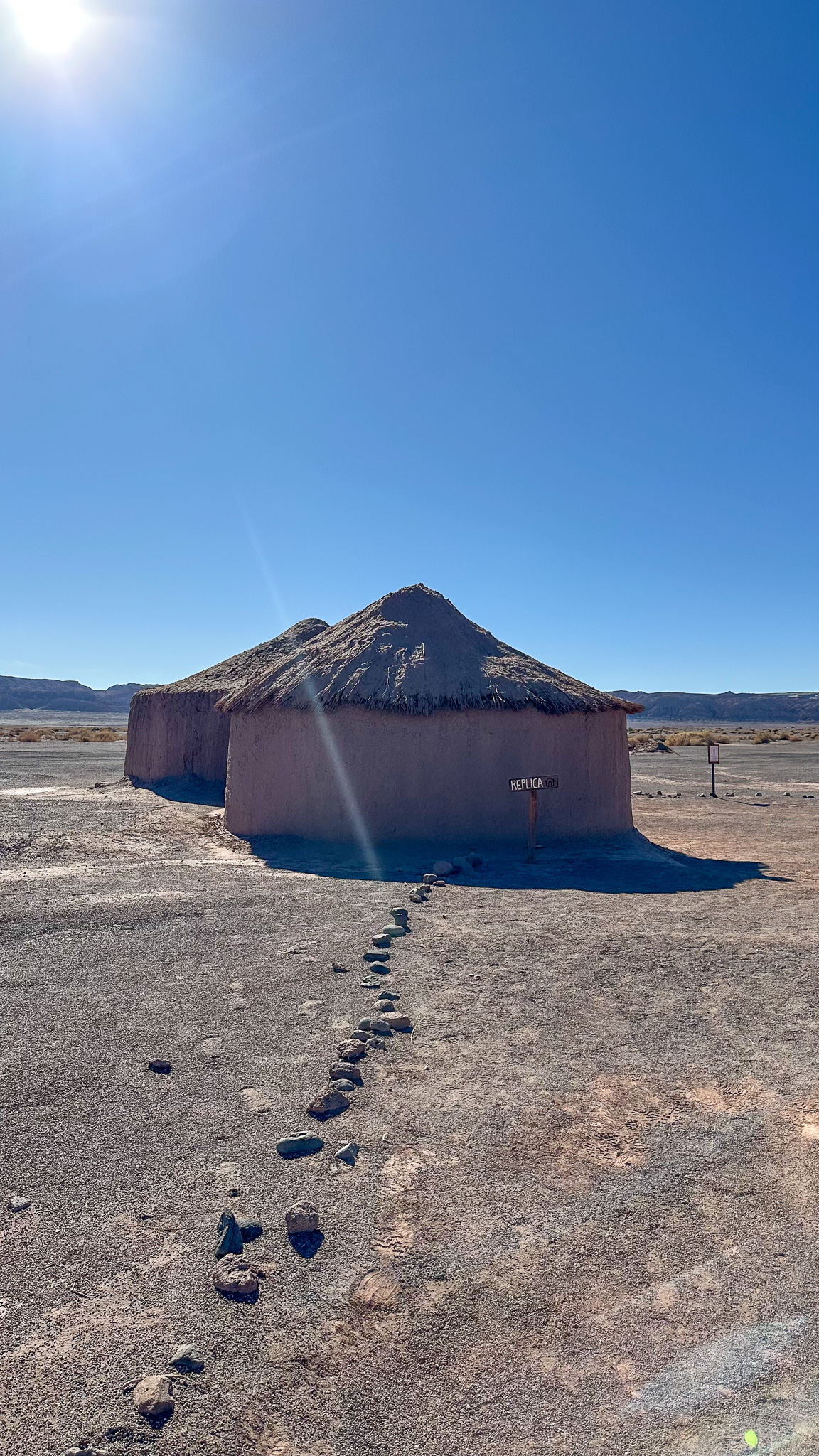
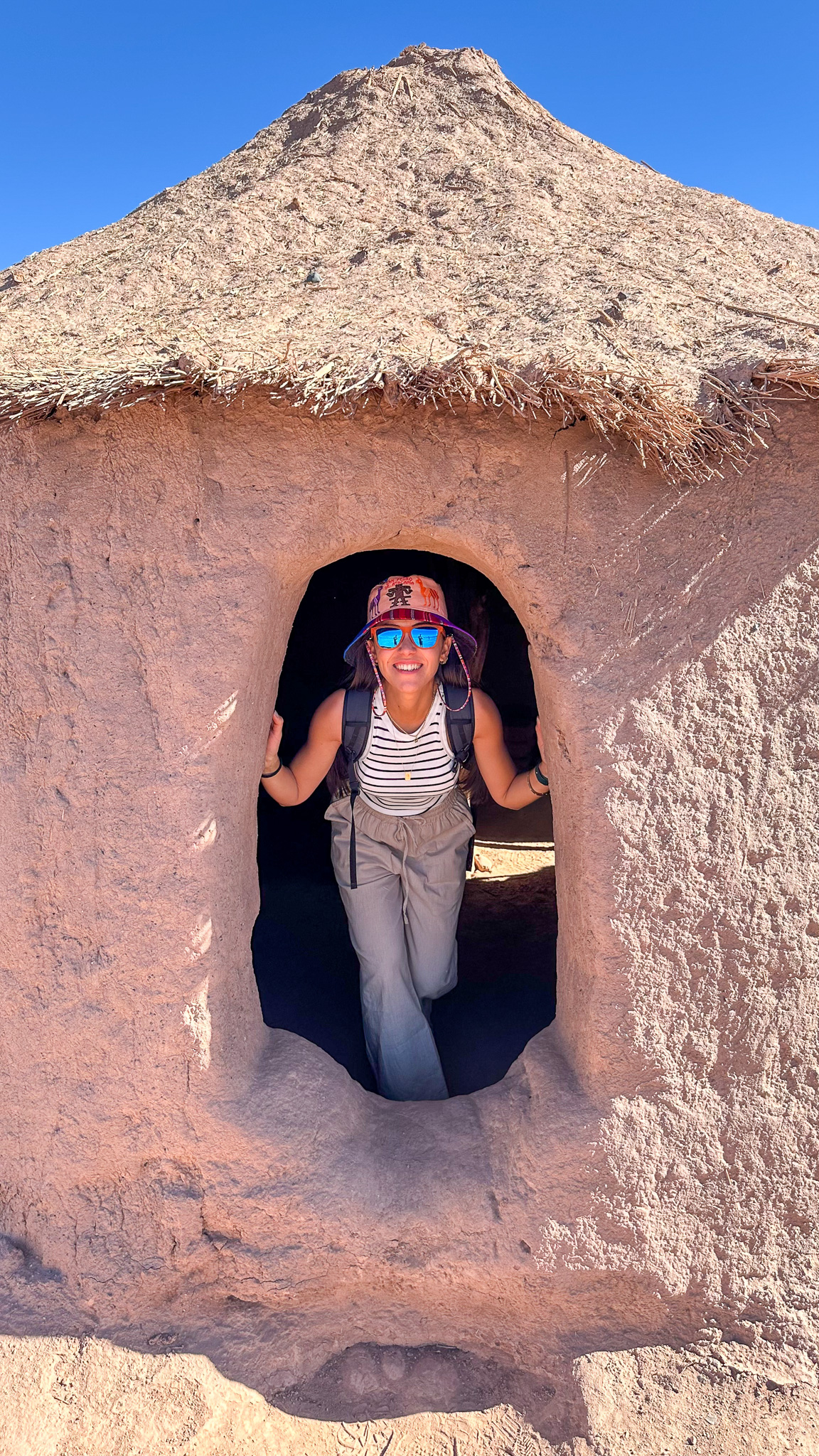
Built approximately 3,000 years ago, Aldea de Tulor is one of the oldest records of human settlement in the Atacama.
Formed by interconnected circular adobe structures, the village reveals a surprisingly sophisticated social organization for its time.
Families lived together as a community, developing agriculture, domesticating animals and building a deep relationship with their surroundings in an extremely challenging environment.
What remains today are traces. However, with the interpretation of a certified guide, the history of the site begins to take shape.
The village was discovered by Father Gustavo Le Paige, a central figure in Atacama archaeology who was responsible for revealing much of the region’s pre-Columbian history.
That’s why the archaeological museum in San Pedro de Atacama bears his name, a direct reflection of the importance of his work.
The guide explains how these people lived, how their society was organized and how the advancing desert eventually buried part of the village while preserving it at the same time.
Tulor is not impressive because of its visual grandeur, but because of the depth of what it represents.
We then continue north toward the Cordillera de la Sal.
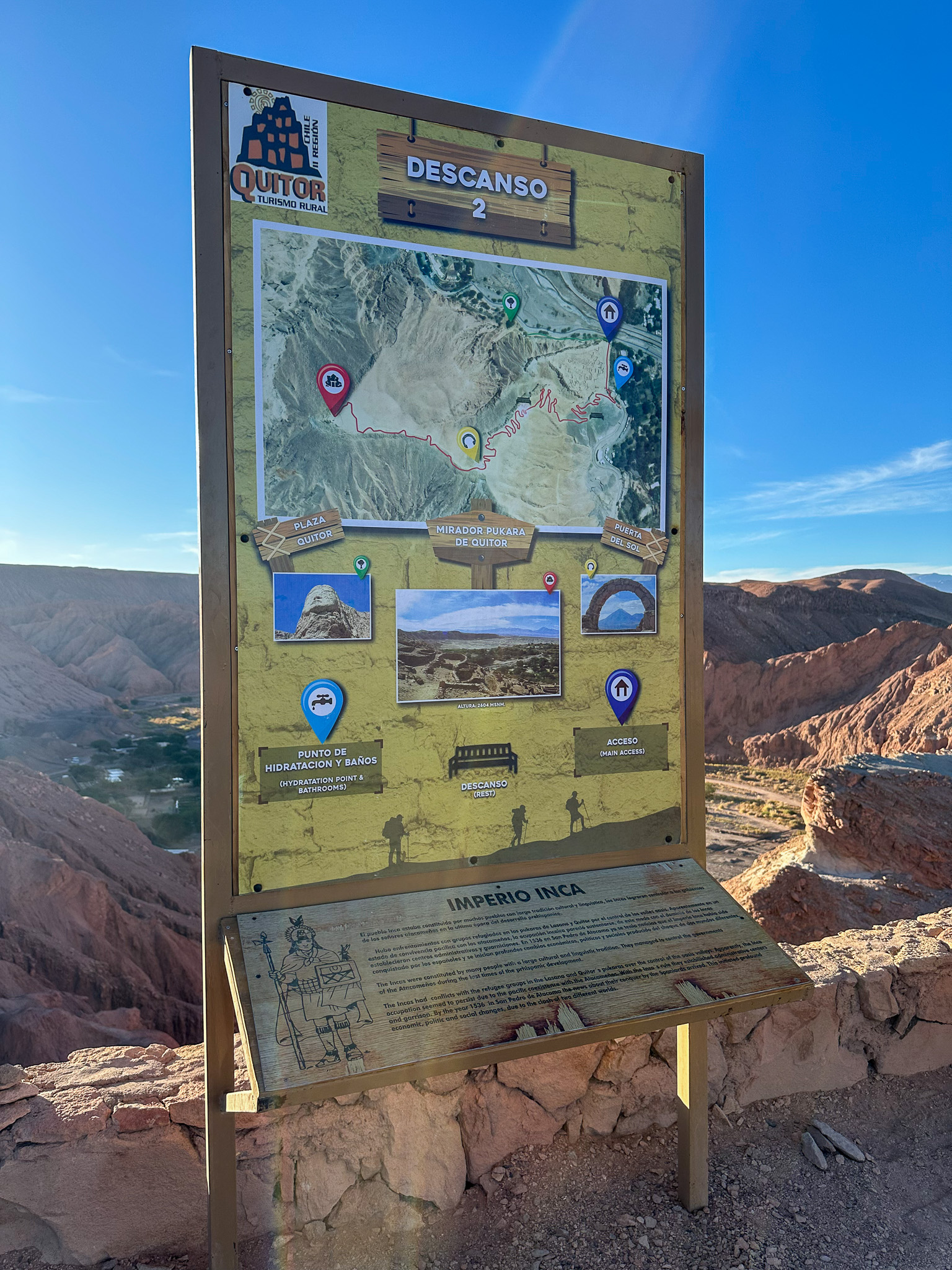
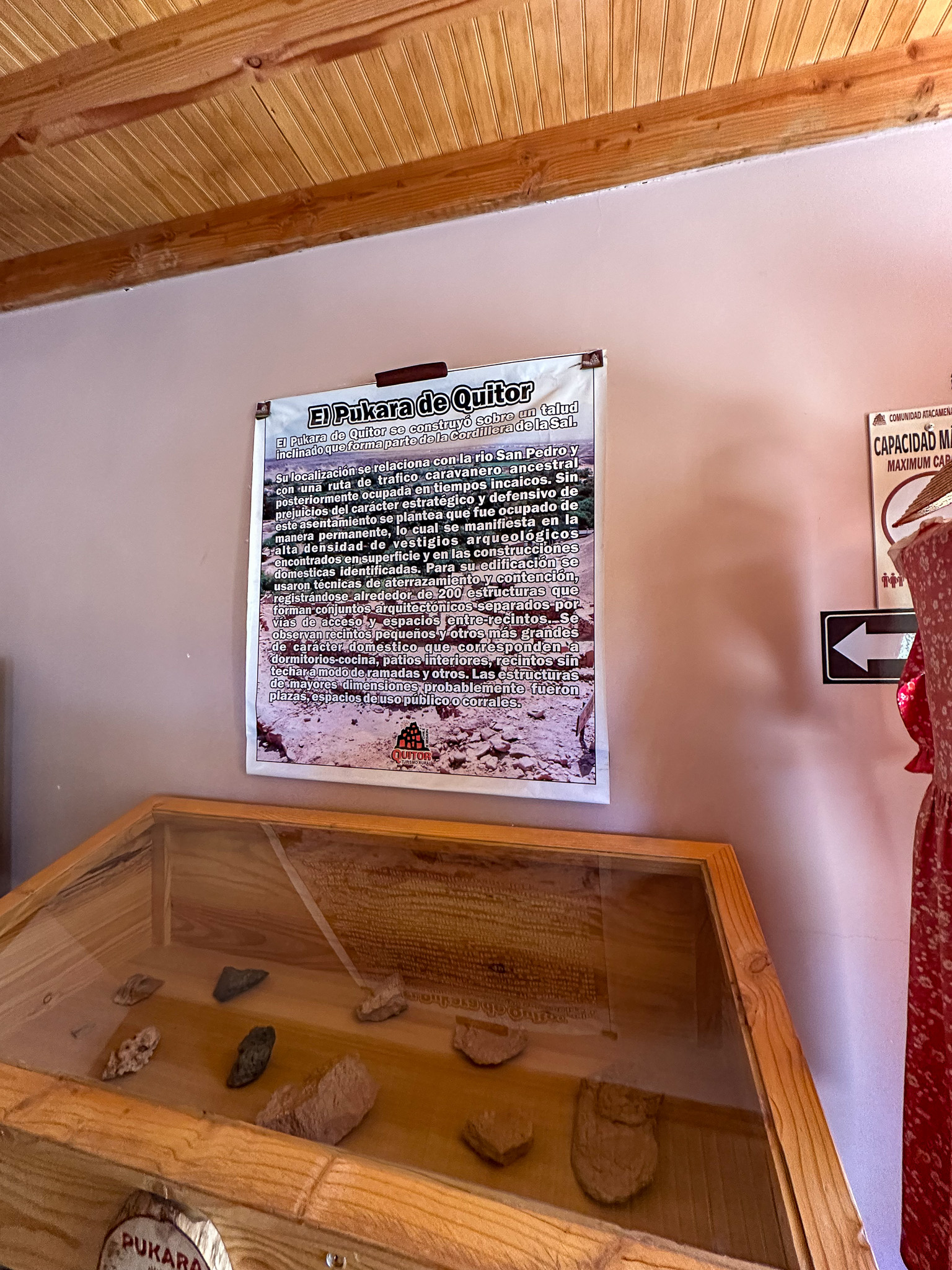
Unlike Tulor, Pukará de Quitor reveals another dimension of life in the Atacama: the need for defense.
Built in the 12th century, this ancient Indigenous fortress was strategically positioned on a hillside overlooking the valley, allowing its inhabitants to control routes and anticipate the movements of invaders across the territory.
From above, the view extends across Valle de Catarpe, a key strategic point along Andean routes and part of the circulation networks of the Inca period.
Its stone structures, which remain visible today, reveal an organized defense system used by the Atacameño peoples during periods of conflict.
This was the site of clashes during the arrival of the Spanish, making it an important landmark of local resistance.
The walk to the viewpoint is short but meaningful.
More than the view itself, your understanding of the land and the people who lived here also expands.
Throughout the tour, the experience is guided with respect, context and historical interpretation, connecting past and present without simplifying or romanticizing the story.
After all, this is not simply about visiting ruins. It is about understanding what existed here before everything we see today.
This tour exists to remind us of something essential: the Atacama does not begin with the desert. It begins with people.
TOUR PRICE: CLP 55,000 per person
MINIMUM NUMBER OF PARTICIPANTS: 4
SCHEDULE: 8:00 a.m. to 1:00 p.m.
MAXIMUM ALTITUDE: 2,500 meters
ENTRANCE FEE: CLP 12,000 per person
WHAT’S INCLUDED: Transportation, certified guide and breakfast
RECOMMENDED FOR: Any day of your itinerary